Attic Insulation in Parkview Hill, ON
Air sealing and blown-in insulation for Parkview Hill bungalows, and a careful look at the attics in rebuilt and added-on homes.
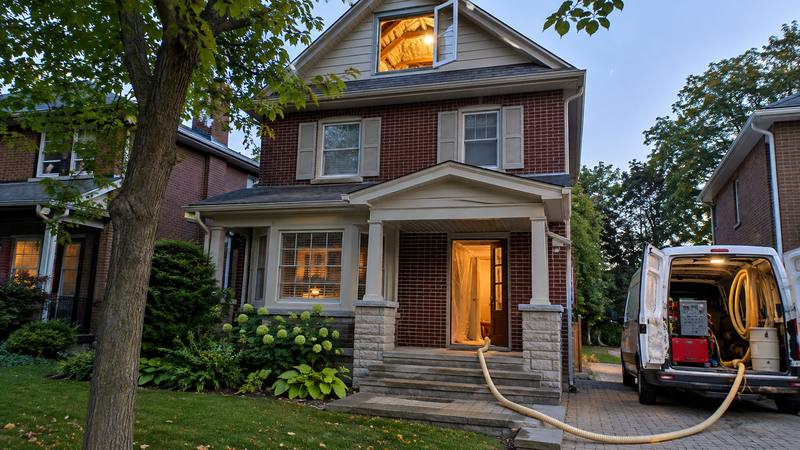
We put in attic insulation in Parkview Hill, in the M4B postal area, both in the original bungalows and in the estate-style homes that have replaced some of them. Parkview Hill is about 4 km from us. On the first visit we find out what your attic needs, and sometimes that turns out to be air sealing and a top-up, not a tear-out.
Bungalow attics in Parkview Hill
Parkview Hill has bungalows, two-storey houses and high-rise affordable housing. Our attic work here is on the houses, and it pays off most in the bungalows.
A bungalow's attic sits over every room in the house. That makes the attic floor the largest single surface the house loses heat through, larger than any one wall. Insulating a bungalow attic does more for comfort and the heating bill than almost any other part of the building.
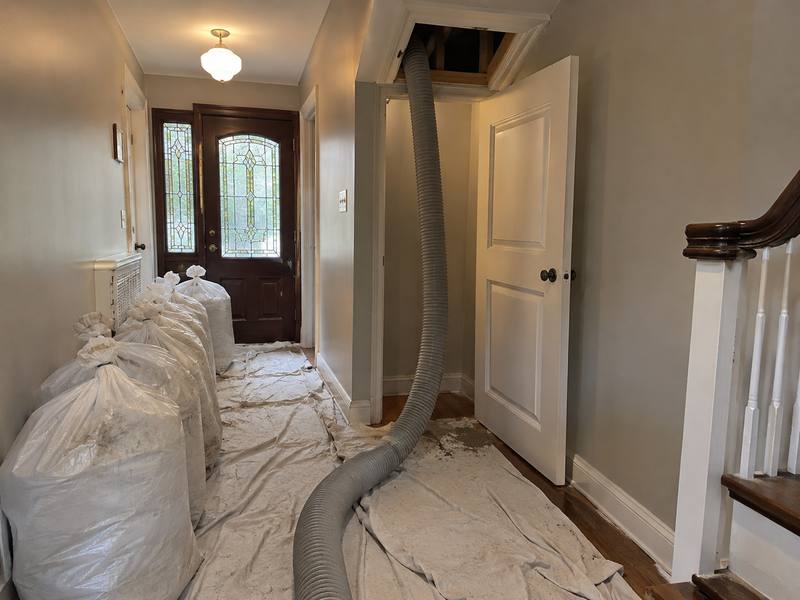
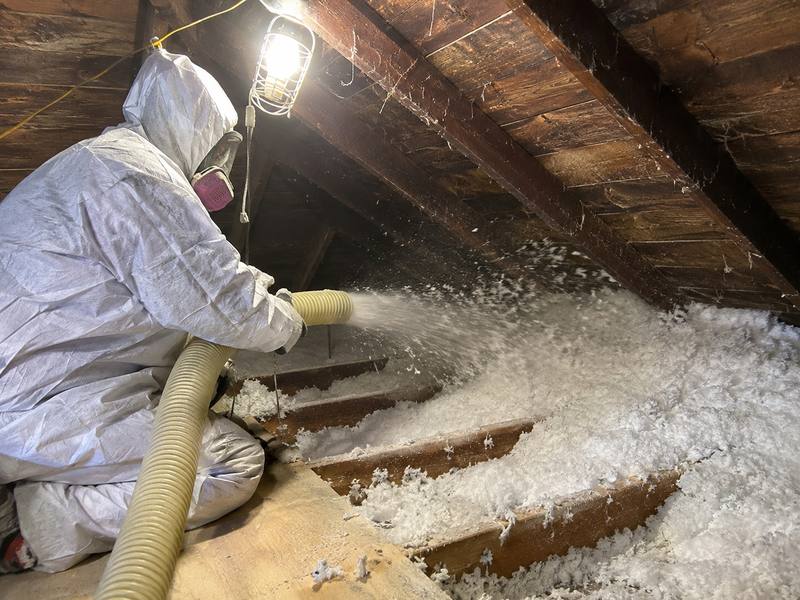
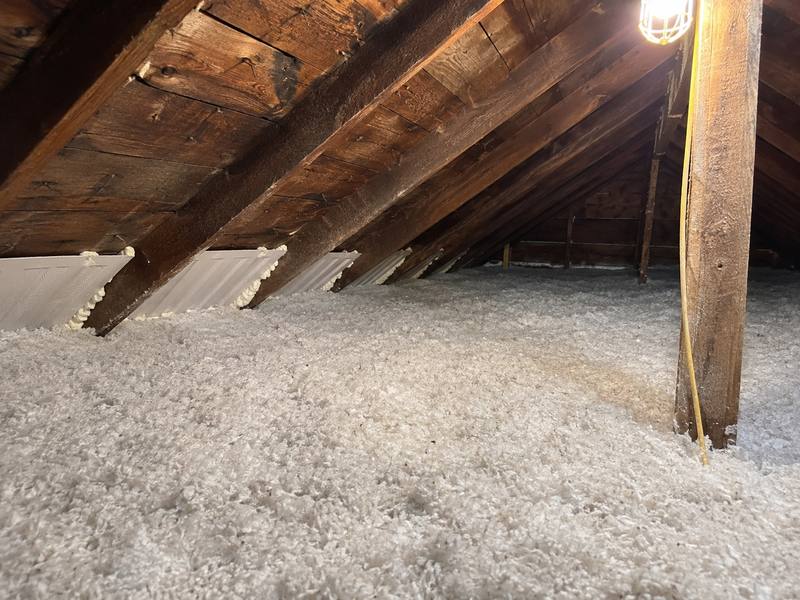
When the existing layer is thin, flattened or patchy, blown-in insulation is usually the practical fix. A machine blows loose-fill cellulose or fibreglass up a hose into the attic, and it settles into an even blanket around joists, wiring and ceiling boxes, which are exactly where batts leave gaps. We fix depth markers to the joists so anyone can check the finished level later.
A two-storey house with a full attic over the upper floor gets the same method. The attic is a smaller share of that house's outside surface, though, so more of the heat loss goes through the walls and windows than it would in a bungalow.
Original bungalows and rebuilt homes
The large lots have led to redevelopment, and some original bungalows have been replaced with estate-style homes. So one street can have two very different kinds of attic, and the first step is working out which one you have.
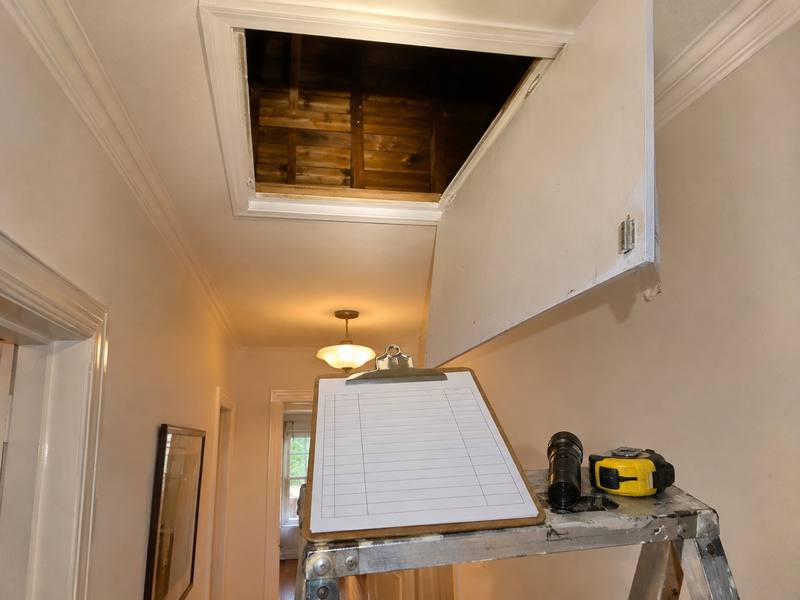
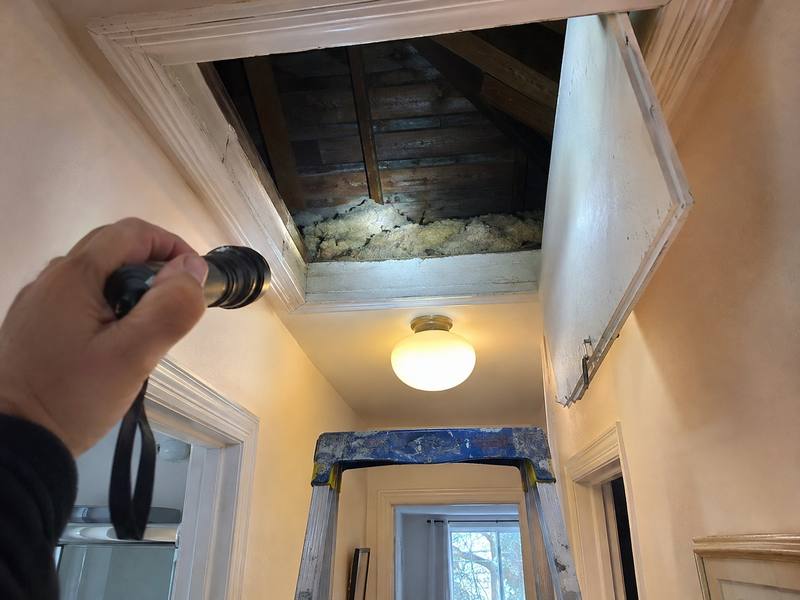
A new estate-style home needs a check, not a top-up. Its insulation should already be at a modern level, and blowing more on top rarely changes much. What we look at is whether the insulation went in evenly, whether baffles are keeping the soffit vents open, and whether the hatch is weatherstripped and insulated to match the rest of the ceiling.
A bungalow with an added second floor has two attics. One is above the new upper storey. The other is what's left over the part of the original bungalow that wasn't built up. It's lower and harder to get into, so people forget about it. If it still has the original insulation, it can be the coldest part of the house, and it needs its own access and its own inspection.
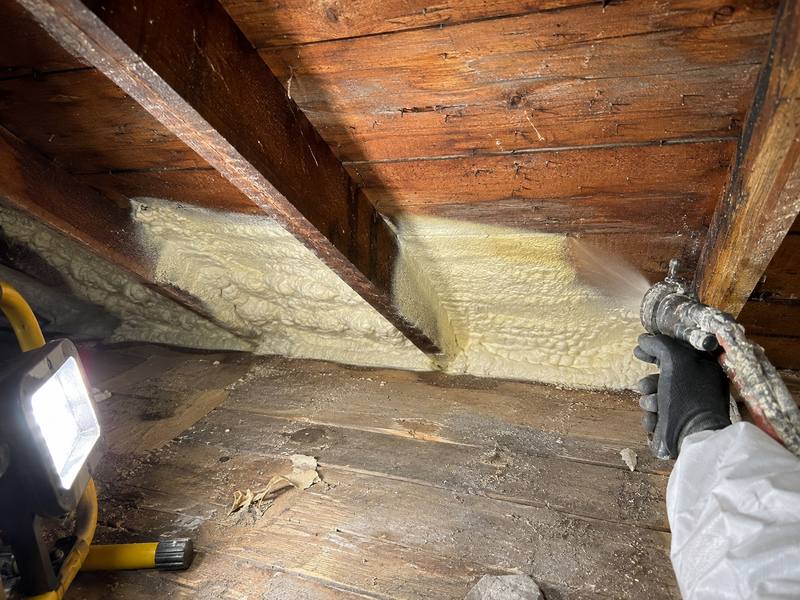
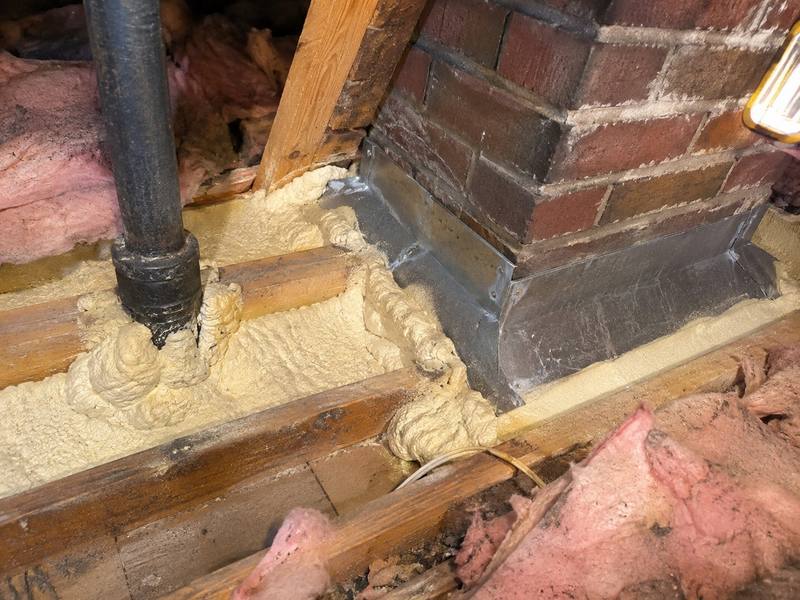
If the old insulation in either attic is wet from a roof leak or damaged by rodents, attic insulation removal has to happen before anything new goes in. Spray foam insulation works in tight spots where loose fill won't stay put, like the low edge where the roof meets the outside wall, or the joint between an addition and the original house. If we find vermiculite, we stop, leave it alone and recommend you have it tested by a qualified lab or abatement firm before any work goes ahead.
Air sealing a bungalow ceiling
In a bungalow, air sealing comes before insulation, because the top of every interior wall and every ceiling light fixture opens into the attic. Warm air from the house rises through those gaps and brings moisture with it. In cold weather that moisture can condense on the underside of the roof deck.
Insulation slows heat moving through the ceiling. It doesn't stop air. Loose fill sitting over an open wall top just lets the air pass through it. So we seal first: foam or caulk along the top plates of interior walls, covers over recessed lights, and sealant around plumbing stacks and wiring holes, using fire-rated material anywhere a chimney or flue comes through. Then the insulation goes over a ceiling that has stopped leaking.
There's more on materials on our air sealing page. In a Parkview Hill bungalow it comes down to this: every room's ceiling is under the attic, so every room's light fixtures and wall tops are part of the job.
Nearby: Woodbine Heights, Victoria Village and Leaside
The nearest neighbourhoods we serve are Woodbine Heights, Victoria Village and Leaside. Each one has its own page about its houses and the attic work they usually need.
In all of them, adding or replacing insulation is on the city's list of work that doesn't need a building permit, although zoning rules still apply. Everything else we do, including attic ventilation and rebates, is listed on our home page.
Local details for Parkview Hill
- Postal codes: M4B
- Distance: About 4 km away in a straight line
- Permit rules: toronto.ca
- Nearby: Woodbine Heights, Victoria Village, Leaside
FAQ
Insulation questions from Parkview Hill
More than through any other single surface, because a bungalow's attic covers every room. The walls are split across four sides and broken up by windows and doors. The ceiling is one continuous surface under the coldest part of the house. That's why, in a Parkview Hill bungalow, sealing and insulating the attic is usually the first job to consider.
Yes, as long as there's a hatch and enough room to reach the eaves or blow insulation toward them from further back. Under a low-pitched roof, blown-in insulation is the practical choice, since the hose reaches corners nobody can crawl into. Where the roof edge leaves too little height for loose fill and a vent baffle, a thin layer of spray foam can seal and insulate that strip.
Some do. A new estate-style home rarely needs more insulation but can still have gaps, and a bungalow with an added floor may have an older second attic that was never upgraded. In a new home we check for missed sections, blocked soffit vents and an unsealed hatch, not depth. In an added-on bungalow we look at both attics, because the one under the original roof is the one that tends to get left out.

Next step
Request an insulation visit in Parkview Hill
Call us, or send the form with your address and whatever you've noticed upstairs. We'll look at the attic, tell you which of the four outcomes fits, and put the work in a written quote.