What Decides Attic Insulation Cost in Toronto
What sets the price, roughly in the order it matters, and what a fair quote should spell out.
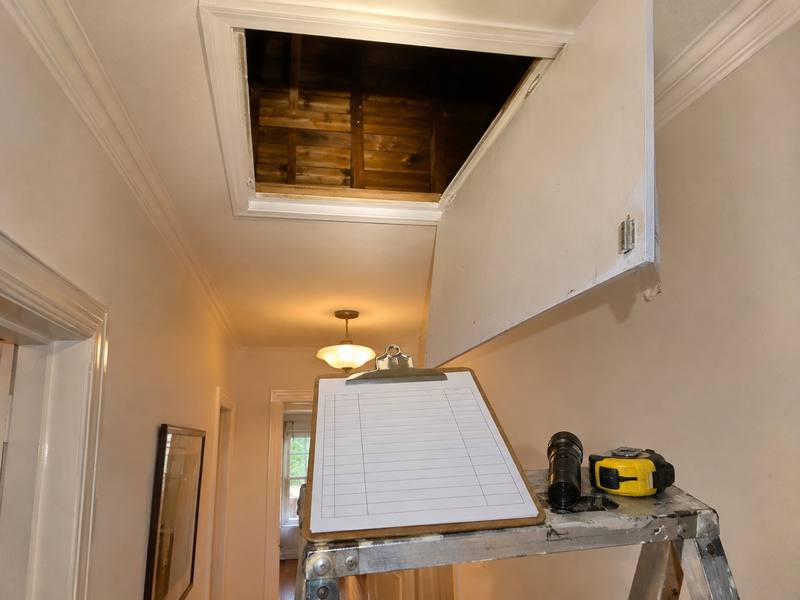
Attic insulation cost in Toronto depends on what your attic needs, and that varies more than most people expect. We don't publish prices, because the same attic might need a simple top-up, or it might need removal, sealing and new insulation. Below is what moves the cost of attic insulation, so you can compare quotes on the same terms.
The main things that decide attic insulation cost
Four things decide the attic insulation installation cost, and they usually matter in this order. Prep work like removal or sealing sits on top of them, and we cover that in the next section.
Attic area and access
The attic area sets how much material goes in and how long our crew spends up there. Access matters almost as much. A wide hatch in a hallway ceiling lets us bring the blowing hose in and move between the joists easily. A small hatch in a closet slows down every step, and so does a low roof with barely room to kneel near the eaves. A shallow attic or a tight hatch takes more time, and that shows up in the quote.
How much insulation is already there
The depth already up there decides how much new material you need. We measure it in several spots, because old loose fill settles unevenly and is often thinnest near the eaves, where the roof comes down to meet the wall. If the attic has a reasonable layer and it's dry, a top-up to the target is all it needs. A thin, patchy layer takes far more material and more hours on the hose.
The R-value you are aiming for
The target R-value is how much resistance to heat loss the finished attic will have, and it sets how deep the new insulation ends up. A higher target means more material and more time up there. Your quote should give the target as a number, so you know what you're paying for.
The material
For an open attic floor, the two common loose-fill choices are blown-in fibreglass and cellulose. Both go in through a hose to an even depth over the ceiling joists. They reach a given R-value at different depths, which is why two quotes can show different finished depths for the same target. Spray foam costs more for the area it covers. We use it in tight spots, like a sloped ceiling section or a rim joist, and not across a whole open attic floor.
Work that adds to the price
Most of the gap between a low quote and a high one comes from the prep work around the insulation rather than the insulation itself.
Removing old insulation comes first when the existing layer is wet or soiled by mice and squirrels. We vacuum it out through a large hose into bags outside, which adds labour and disposal to the job. If we find vermiculite, we stop and recommend a qualified lab or abatement firm test it; the result decides whether the job goes ahead.
When animals have nested in the attic, rodent cleanup goes along with removal. The droppings and nesting material have to come out before new insulation goes down, otherwise the smell and the mess stay in your ceiling.
Air sealing closes the gaps in the ceiling under the insulation: around light fixtures, plumbing stacks, wiring holes and the top plates of interior walls. Warm, moist air rises through those gaps, and loose fill on its own won't stop it. Sealing with foam and caulk takes time, and the best moment to do it is while the attic floor is open.
Baffles are rigid channels fastened between the rafters at the eaves. They keep blown insulation out of the soffit vents so air can still move under the roof deck. If an attic doesn't have them, they go in before any loose fill does.
A hatch upgrade means weatherstripping the attic hatch and insulating the top of it. Skip it and the opening ends up as the weak spot in a ceiling that's otherwise well insulated.
How to compare two attic insulation quotes
Two quotes are only comparable if they describe the same job. A complete quote names each of these:
- Attic area, measured on site and not guessed from outside the house.
- How deep the existing insulation is to start with, and what shape it's in.
- Target R-value, written as a number.
- Material (blown-in fibreglass, cellulose or spray foam) and where each one goes.
- Finished depth, so you can check it with a ruler afterwards.
- Baffles at the eaves, or a note saying the existing ones are sound.
- Air sealing, listing the gaps that get sealed before insulation goes in.
- Removal and cleanup, if the old layer is coming out.
Rebates that lower the cost
Home Renovation Savings has an attic insulation rebate that doesn't need a home energy assessment. Each rebate has its own terms and conditions, so check the current rules before the work is booked.
Our attic insulation rebates page explains how the program fits with an insulation job. Hang on to your quote and the final invoice. An invoice that names the material and the finished level makes an application easier to fill in.
When spending less is the right call
Plenty of older Toronto attics only need air sealing and a top-up, not a full tear-out. If the insulation that's there is dry and free of droppings, paying to remove it buys labour that adds nothing. In that case we seal the ceiling, fit baffles where they're missing and blow new insulation over the old layer.
Sometimes the right call is to wait. An attic that's already deep and dry may not gain much from more material, and we'll tell you that. The surest way to keep attic insulation cost in Toronto down is to skip work your house doesn't need.
Our guide on whether to top up or remove old attic insulation goes through the signs we look for on a visit.
FAQ
Common questions about attic insulation cost
They differ because cost depends more on the current depth, access and prep work than on area alone, which is why we measure before we quote. Two attics the same size can need very different jobs: one just a top-up, the other removal, sealing and new insulation. A visit lets us check the starting depth, the hatch and the eaves before we put anything in writing.
Topping up is cheaper, as long as the old insulation is dry and lying evenly. Replacing adds removal, cleanup and disposal before any new material goes in. If the old layer is wet or full of droppings, it has to come out, and topping up over it would be wasted money.
Yes, removal adds a real share to the job, because it means extra labour, bagging and disposal before new insulation goes in. How much depends on the attic area and how deep the old layer is. Droppings and nests in the old layer add bagging time too.
Yes. Air sealing adds labour, but we do it in the same visit while the attic floor is clear. It stops warm, moist air from passing up through gaps in the ceiling, which insulation alone doesn't do. Leaving it out makes the quote cheaper and the insulation less effective.
Different materials reach the same R-value at different depths, so a blown-in fibreglass quote and a cellulose quote can show different finished depths for the same target. Compare the target R-value first, then check that each quote states the finished depth it will deliver.

Next step
Book an attic insulation inspection in Toronto
Call us, or send the form with your address and whatever you've noticed upstairs. We'll look at the attic, tell you which of the four outcomes fits, and put the work in a written quote.