Attic Insulation in Lawrence Park, ON
Before we suggest a top-up, spray foam or removal, we check what your Lawrence Park attic already has in it.
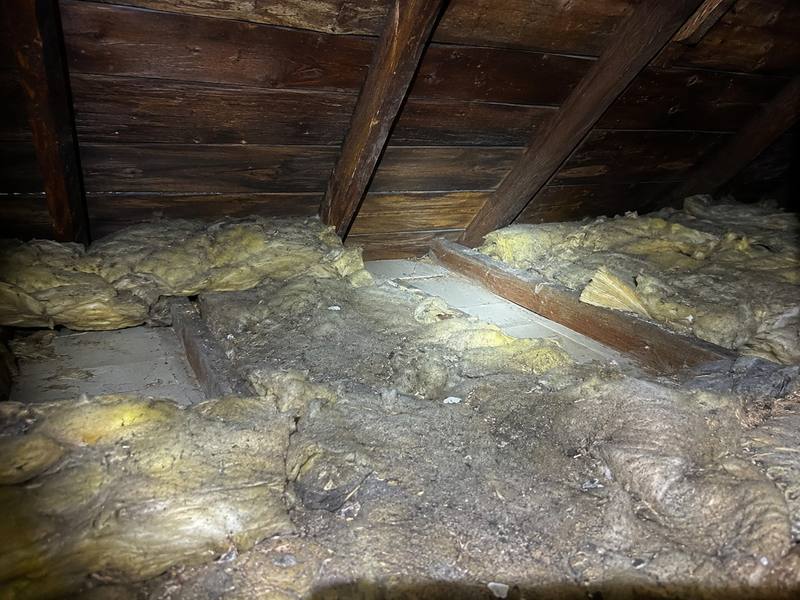
We put in attic insulation in Lawrence Park, and the first thing we do is work out what your house needs. Lawrence Park is about 3 km from us. If a top-up and some air sealing will do the job, we tell you that, and we only quote work that will make the house warmer and cheaper to heat.
Lawrence Park homes from 1910 to the late 1940s
Most houses in Lawrence Park went up between 1910 and the late 1940s. You see English Cottage, Tudor Revival, Georgian and Colonial styles. In a house that old, the attic may still have its original insulation with a newer layer laid on top. We need to know the state of both before anything new goes in.
Old insulation that is dry and still fluffed up keeps doing its job, so it can stay. If a layer is wet or pressed flat, most of its value is gone. Blowing new material over it just hides the problem, so that layer comes out first.
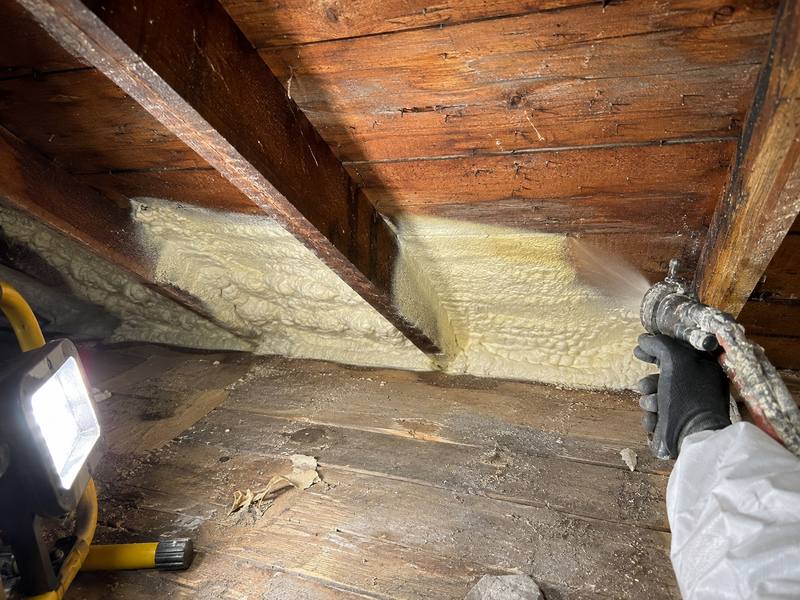
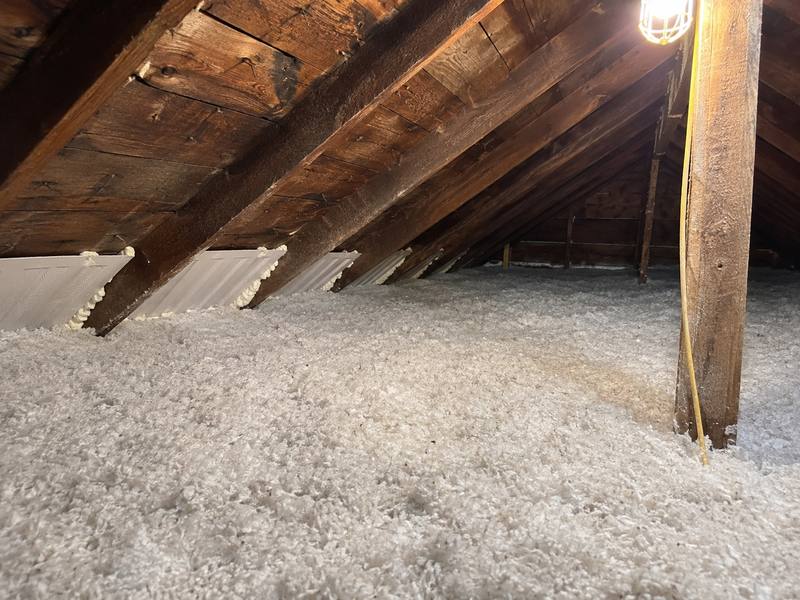
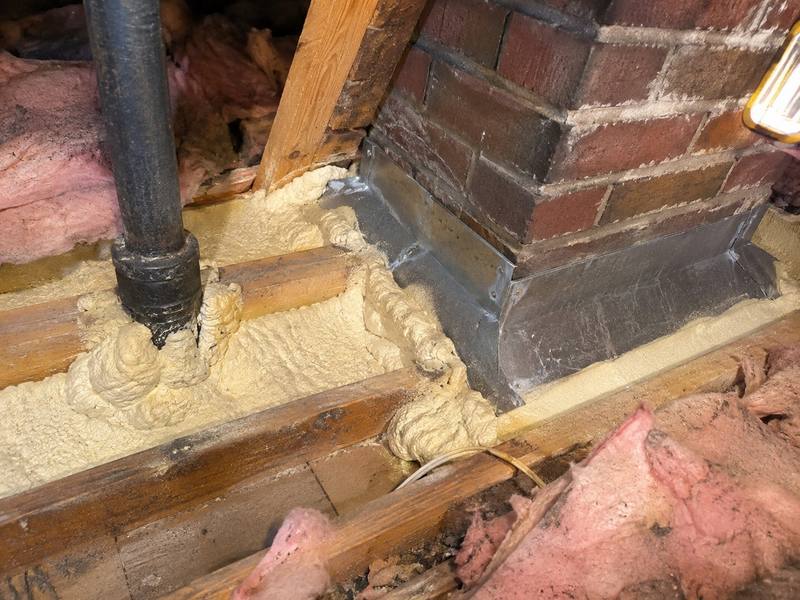
Sloped ceilings and knee walls under the roof get insulated differently from an open attic, because there's no deep attic floor to blow loose fill onto. A sloped ceiling is a narrow cavity between the rafters. A knee wall is a short wall with a cold, unheated pocket behind it. In tight spots like these, spray foam insulation makes sense, since a single layer seals the gaps and insulates at once.
Vermiculite in older Lawrence Park attics
Health Canada's advice is to assume that vermiculite insulation made before 1990 may contain some asbestos. So any Lawrence Park attic insulated before 1990 falls under that caution. Vermiculite is loose and pebbly, somewhere between grey-brown and gold, and it pours like gravel instead of sitting in batts.
When we find vermiculite, we stop work. We leave it alone, put nothing on top of it, and recommend you get it tested by a qualified lab or abatement firm before anything else happens. We don't remove vermiculite. Our page on vermiculite in attics goes through Health Canada's advice and who does the removal.
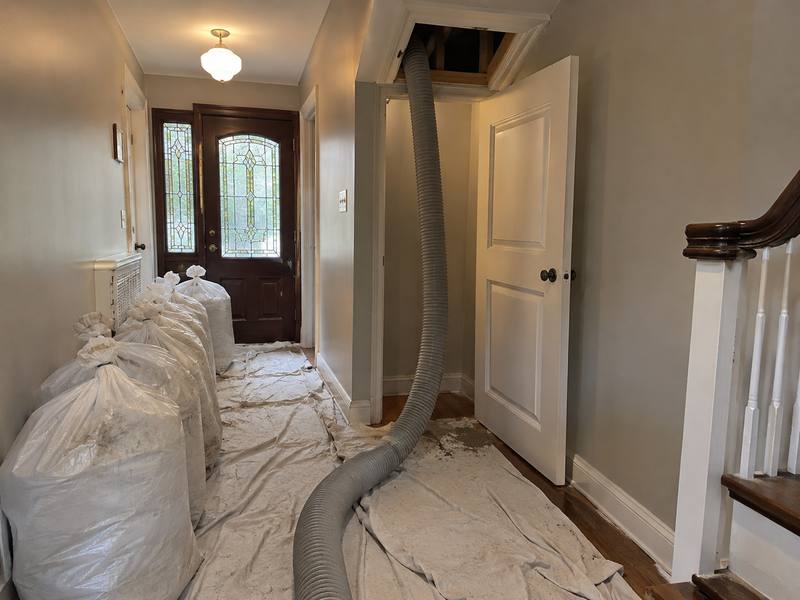
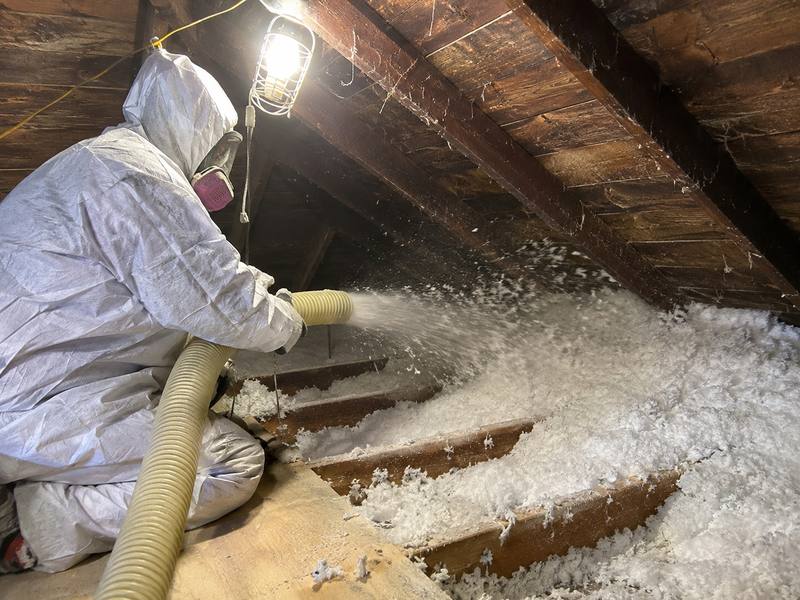
After the right people have dealt with the vermiculite, we can plan the rest of the attic. That might be attic insulation removal for other old material that's wet or damaged, then blown-in attic insulation to bring the attic floor up to an even depth. Some houses here sit on narrow, deep lots, and the blowing hose has to run from the street down the side of the house. We check that route on our first visit.
Rebuilt and renovated houses
Some parts of Lawrence Park have been rebuilt with bigger houses. A newer house usually needs a check, not a tear-out. The insulation is more recent, so we're asking fewer questions: has it settled, and have other trades shoved it aside around the hatch or a light fixture?
A renovated older house falls somewhere in between. With an addition, the new section may have modern insulation while the original roof keeps its older layer. We look closely at the join between them, because a gap there lets cold air into the rooms underneath.
If a newer house already has full depth, the gains will come from air sealing and attic ventilation, which our home page covers. Adding or replacing insulation is on the city's list of work that doesn't need a building permit, though zoning rules still apply.
Nearby: Davisville, Roselawn and Leaside
We also work in Davisville, Roselawn and Leaside, the closest neighbourhoods. Mount Pleasant Road runs through Lawrence Park and carries on into Davisville. Our page on attic insulation in Davisville covers the houses there.
Roselawn and Leaside have their own pages too. Have a look at Roselawn attic insulation and Leaside attic insulation to see what we check in those homes.
Local details for Lawrence Park
- Postal codes: M4N
- Distance: About 3 km away in a straight line
- Permit rules: toronto.ca
- Nearby: Roselawn, Davisville, Leaside
About Lawrence Park: Lawrence Park, ON on Wikipedia · Lawrence Park on Google Maps
FAQ
Insulation questions from Lawrence Park
Some might, and only a lab test can tell you for sure. Health Canada advises assuming that vermiculite insulation made before 1990 may contain some asbestos, and most homes here were built well before that. If we find vermiculite, we stop, leave it alone and recommend you have a qualified lab or abatement firm test it before any work goes ahead.
Sloped ceilings get insulated in the narrow cavities between the rafters, not on an attic floor. Loose fill can't be packed into those spaces, so spray foam is the better fit. The knee walls and the cold pockets behind them also need insulating and sealing, because heat escapes from those pockets into the rooms.
Only if it's wet, pressed flat, chewed up by rodents or might be vermiculite. Dry insulation that still has its loft can stay, and the new blown-in layer goes on top. Vermiculite is different: we leave it alone and recommend a qualified lab or abatement firm test it first.

Next step
Request an insulation visit in Lawrence Park
Call us, or send the form with your address and whatever you've noticed upstairs. We'll look at the attic, tell you which of the four outcomes fits, and put the work in a written quote.