Attic Insulation in Moore Park, ON
Air sealing, blown-in top-ups and baffles for Moore Park attics. We quote once we've seen what is up there.
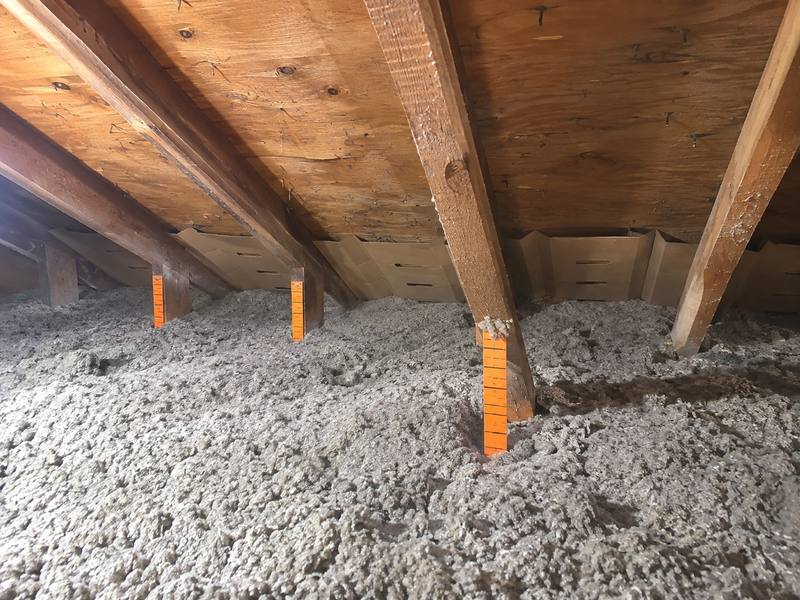
We put in attic insulation in Moore Park, on the streets either side of St. Clair Avenue East. We're about 2 km away. We look in the attic before we quote anything, and the quote only covers work that will make the house warmer.
Moore Park between two ravines
Moore Park sits on both sides of St. Clair Avenue East, between the Vale of Avoca ravine and the Moore Park ravine. For insulation, though, what matters is above your ceiling, so that's where we start.
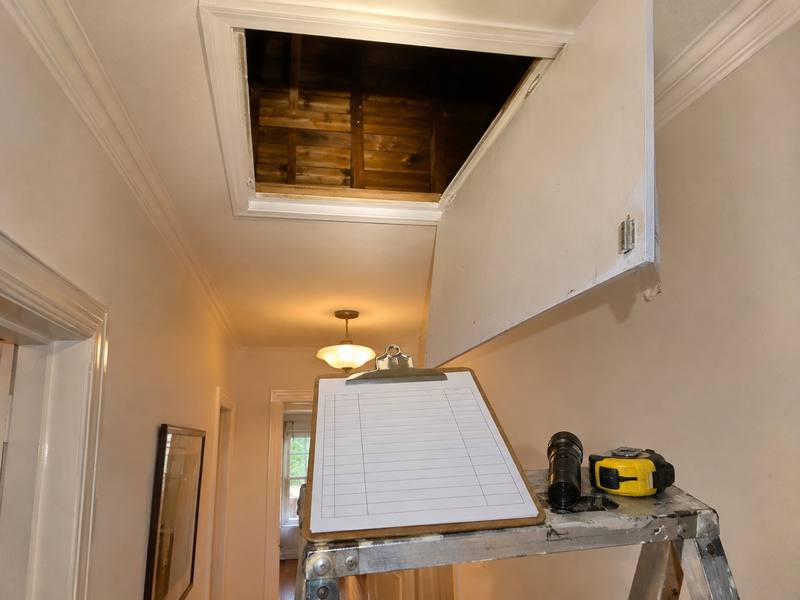
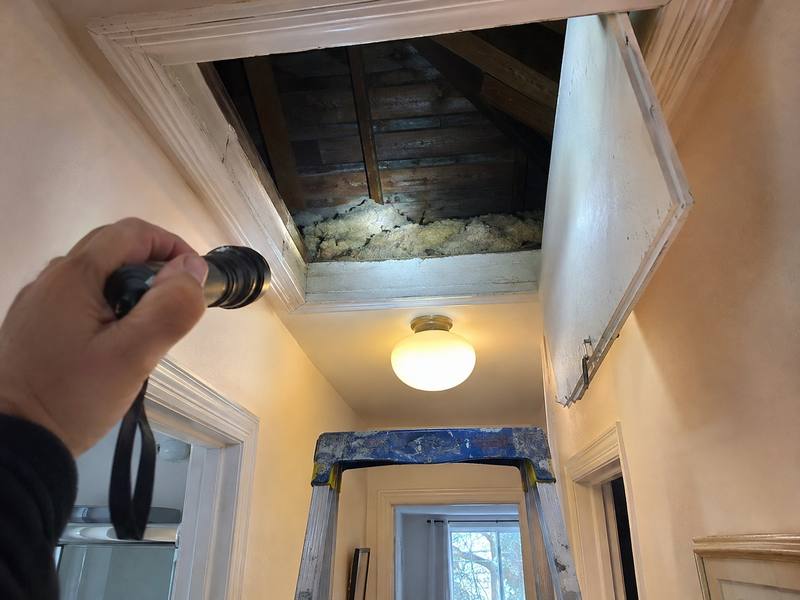
Before we quote attic insulation in Moore Park, we climb up through the hatch and check four things. The quote depends on what we find. An attic in good shape may only need a top-up. A damaged one needs more.
How deep the insulation is, and how even
We measure the depth in several places, including spots well away from the hatch. Insulation gets flattened by storage boxes or pushed aside for wiring, and that leaves thin patches. Those patches lose heat faster than the rest of the ceiling.
Where warm air leaks up from the house
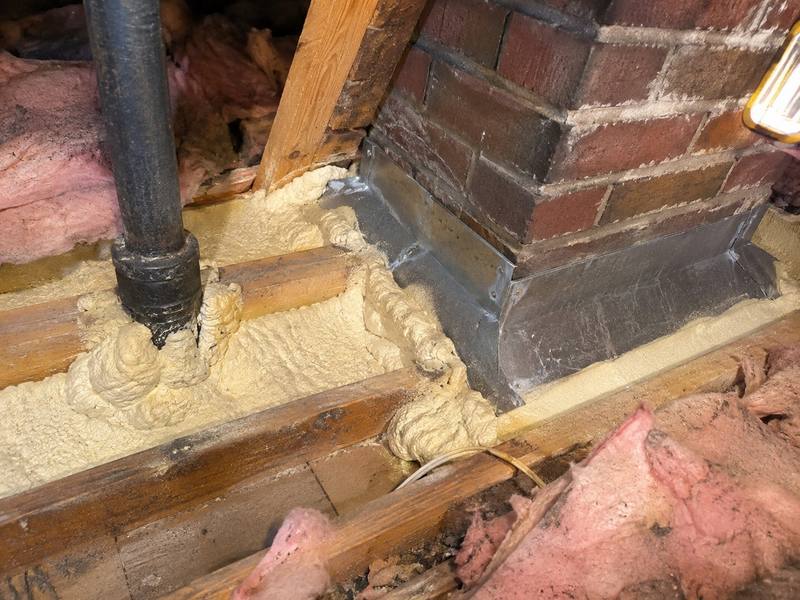
Heated air rises into the attic through gaps around pot lights, plumbing stacks, chimney chases and the tops of interior walls. Insulation slows heat moving through it, but it does very little about air coming through a hole. So we seal these leaks before anything goes on top.
Soffit vents and the underside of the roof deck
We check that the soffit vents are open and that air can move freely from the eaves up to the roof vents. We also look at the sheathing for frost marks or rusted nail tips. Either one tells us moist air from the house is reaching a cold roof.
Vermiculite
Vermiculite is a loose, pebbly fill, grey-brown or gold in colour. If we find it, we stop. We leave it alone and recommend you have it tested by a qualified lab or abatement firm before any work goes ahead.
Ice dams and attic ventilation in Moore Park
Ice dams form when heat escaping into the attic warms the roof deck and melts the snow sitting on it. The meltwater runs down to the overhang, where the roof is still cold, and freezes there. The ridge of ice gets bigger every time this happens, and water pooling behind it can work its way under the shingles and into the ceiling or walls below.
Chipping ice off the eaves or adding heating cable only deals with the symptom. The cause is in the attic, and the fix is keeping the roof deck cold through the winter. We do that work in a set order.
Sealing the attic floor first
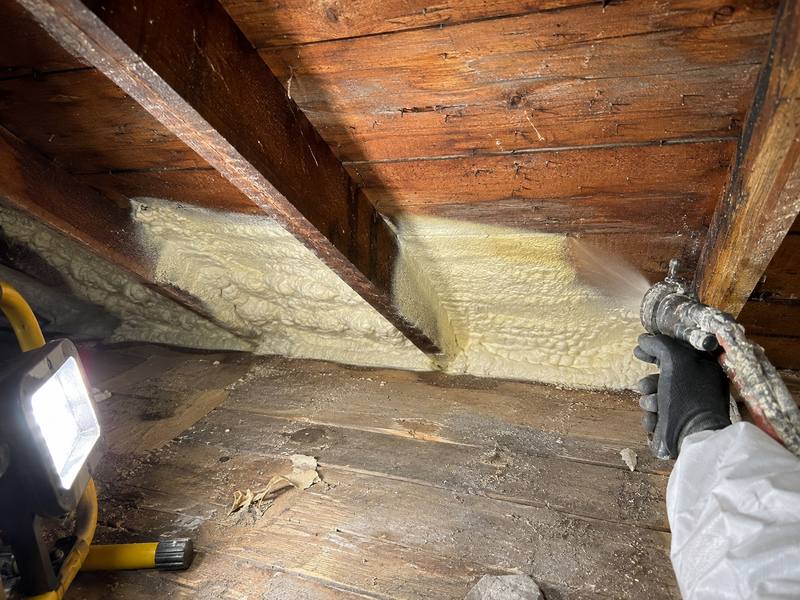
Air sealing closes the gaps that let warm, moist air into the attic, so it comes first. We use expanding foam on the bigger openings and caulk on the seams. The hatch gets weatherstripping and an insulated cover, since a loose hatch leaks too.
Bringing the insulation up to depth
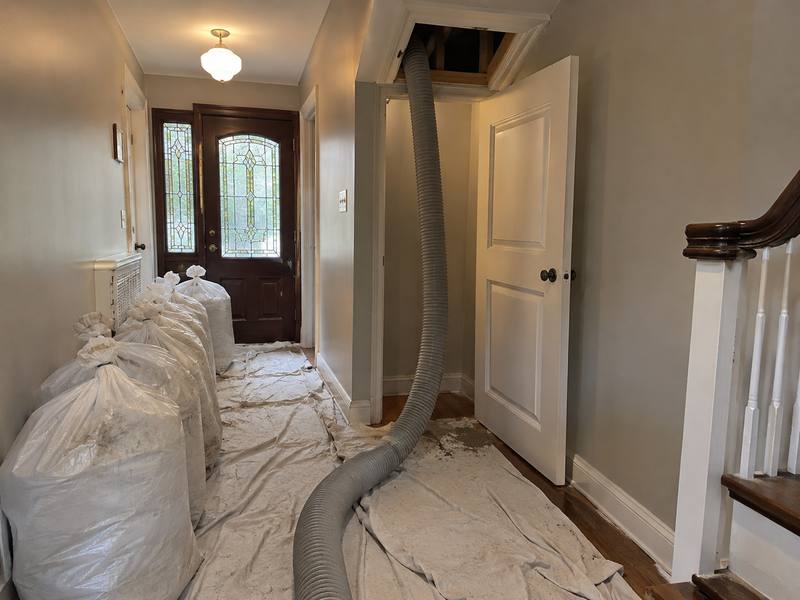
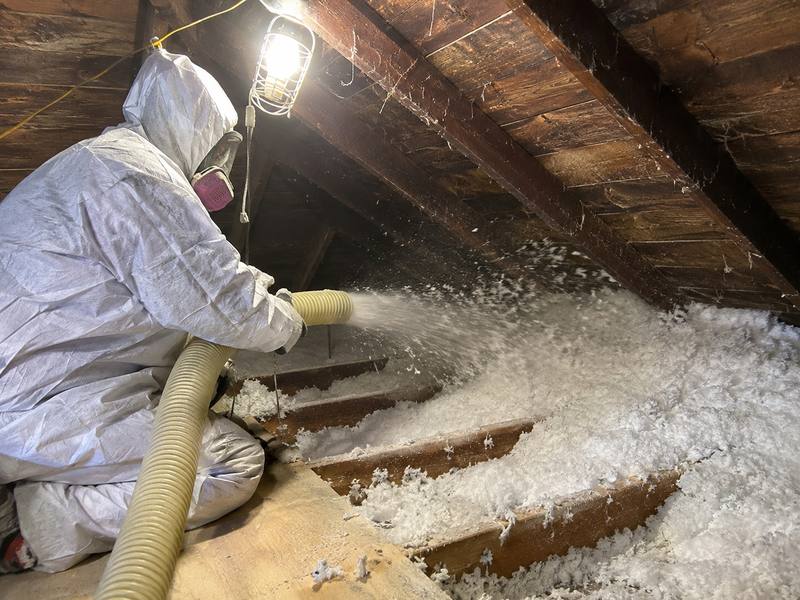
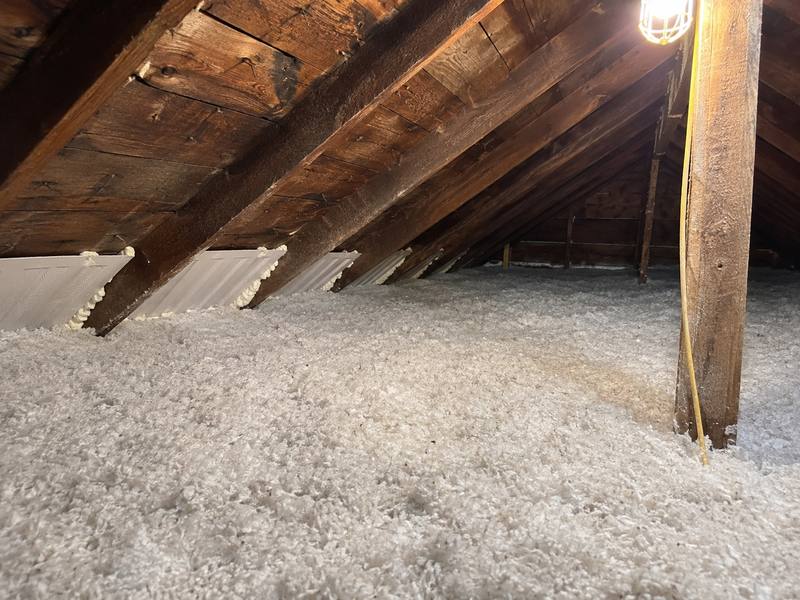
With the leaks closed, we bring the insulation up to an even layer at full depth, which keeps heat from the rooms below out of the attic. If the existing layer is dry and clean, we top it up and leave it in place.
Baffles at the eaves
Baffles are rigid channels fixed between the rafters at the eaves. They hold the insulation back from the soffit vents so outside air can flow up under the roof deck and carry moisture off. We check the attic ventilation on the same visit. If you add insulation without baffles, you can block the vents and end up with a damper attic than you started with.
Attics with dormers and additions
An attic with dormers, knee walls or an addition is really several spaces. To insulate it properly you need a plan for reaching each one and for how much depth each one can hold.
We map those spaces before we quote, so you know which parts will get blown-in attic insulation and which need something else.
Knee walls and the voids behind them
A knee wall is the short wall on a finished upper floor, with a triangular void behind it. If there's no way into that void, we may need to open a small panel so we can air seal the floor and insulate the wall from the attic side.
Dormer ceilings and cheek walls
Over a dormer there can be very little room between the drywall and the roof, so loose-fill may not fit at full depth. In a space that tight, spray foam gives more insulating value per inch and can be the better choice for that section.
Additions with their own roof
An addition often has its own attic, separated from the main one by what used to be the exterior wall. You can't insulate it from the main attic. If there's no hatch into it, we work out how to get in before we give you a number.
Nearby: Summerhill, Davisville and Rosedale
We also work in the neighbourhoods around Moore Park, and each one has its own page: Summerhill, Davisville and Rosedale. We do things the same way in all of them. We look in the attic first, then quote only the work that will help.
Local details for Moore Park
- Postal codes: M4T
- Distance: About 2 km away in a straight line
- Permit rules: toronto.ca
- Nearby: Summerhill, Davisville, Rosedale
About Moore Park: Moore Park, ON on Wikipedia · Moore Park on Google Maps
FAQ
Insulation questions from Moore Park
Not always. Ice dams mean heat is reaching the roof deck, but air leaking through the ceiling is often the bigger cause. We seal those gaps first, then check whether the insulation is thin or uneven. A top-up only helps once warm air has stopped getting through.
Yes. Without baffles at the eaves, extra insulation can bury the soffit vents, and an attic with no airflow traps moisture under the roof deck. Before we add depth, we make sure air can move from the soffits up to the roof vents.
Only if the main attic connects to every space around the dormers. Knee-wall voids and dormer ceilings are often closed off, so they need their own access or a different material. We check each space from the hatch first and tell you if a second opening is needed.

Next step
Request an insulation visit in Moore Park
Call us, or send the form with your address and whatever you've noticed upstairs. We'll look at the attic, tell you which of the four outcomes fits, and put the work in a written quote.