Vermiculite Attic Insulation: Test Before Removal
Leave vermiculite alone if it can stay. If it has to come out, a qualified firm tests it first and a licensed abatement firm removes it. Air sealing and new insulation come after that.
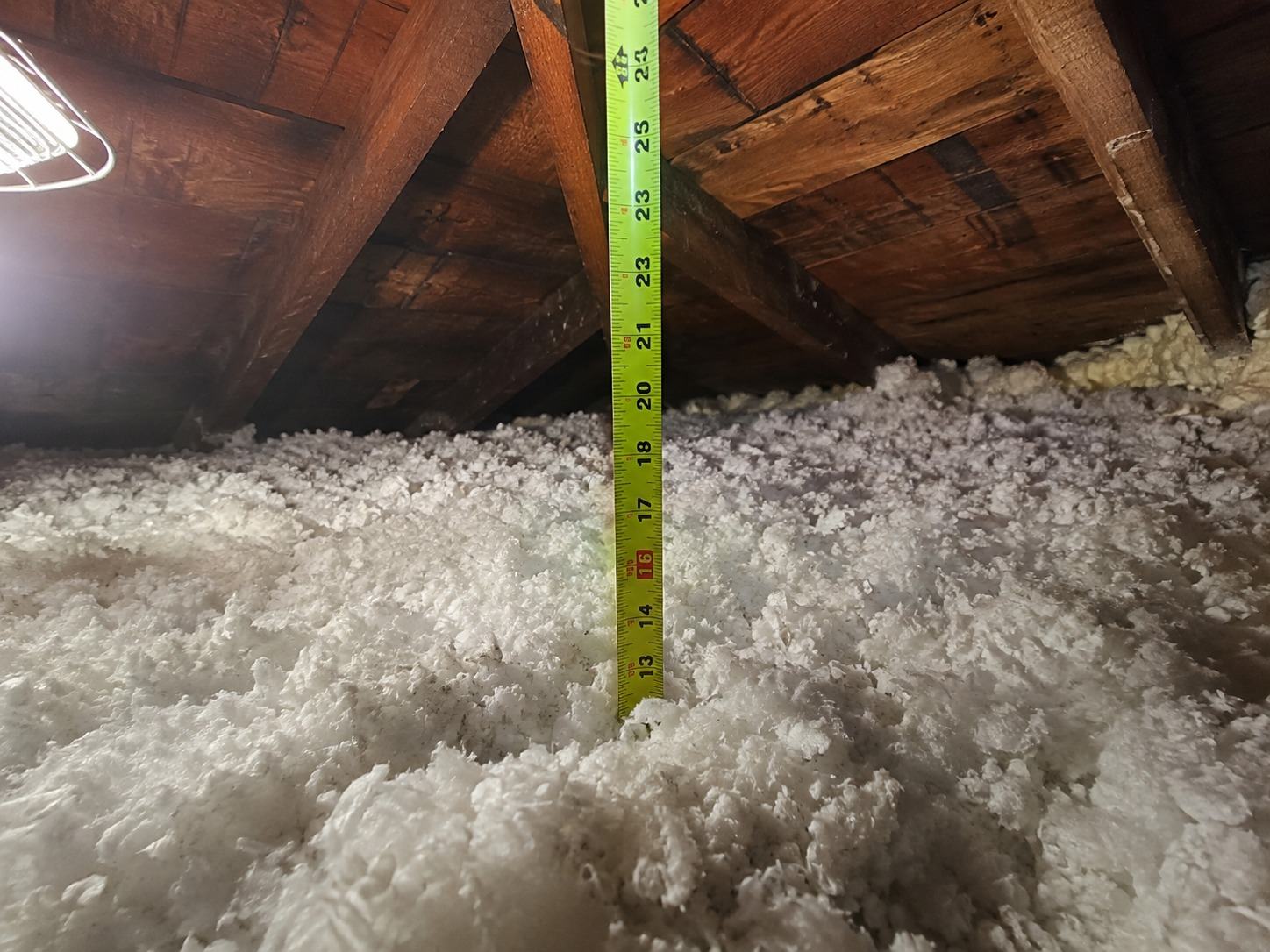
Vermiculite attic insulation removal in Toronto starts with testing by a qualified lab or abatement firm, and we refer the removal itself to a licensed abatement firm. Vermiculite is a pebbly loose fill, grey-brown or gold, that turns up in some older attics, and Health Canada's advice is to leave it undisturbed. We don't remove vermiculite. Our attic insulation removal work covers old fibreglass and cellulose, and we come in for air sealing and new insulation once the vermiculite is gone.
What vermiculite insulation looks like
Vermiculite insulation looks like small grey-brown or gold pebbles, often with a silvery glint. Each granule is a mineral flake that was heated until it puffed up like an accordion. Hold one under a flashlight and you can see thin layers stacked like pleats.
It was poured loose between the ceiling joists, so it sits in a level bed with no paper or plastic backing. It isn't always on top. A later owner may have laid fibreglass batts or blown cellulose over it, and the only clue is a gritty layer underneath when you pull the newer material back near the hatch.
Why vermiculite may contain asbestos
Vermiculite may contain asbestos because of where much of it was mined. Health Canada says vermiculite ore from the Libby Mine in Montana, produced from the 1920s to 1990, may contain asbestos, and most of it was sold under the brand name Zonolite.
The asbestos came from the deposit itself. Nothing was added at the plant. You can't see it, and an old bag label won't settle the question either way. Health Canada advises assuming that vermiculite insulation made before 1990 may contain some asbestos. That's the sensible place to start for any older house in Leaside or Davisville with loose granules in the attic.
Health Canada's advice: leave it undisturbed
Health Canada's advice is to leave vermiculite where it is. There is no evidence of a risk to health if vermiculite insulation stays sealed or isolated in an attic, and the best way to keep the risk low is not to disturb it. Asbestos does harm when fibres get into the air you breathe. A bed of granules that nobody touches puts very little into the air.
If you've just found it, here's what to do and what not to do:
- Do close the attic hatch and leave it closed.
- Do take a photo from the ladder, without reaching in, so a professional can see what you found.
- Do tell anyone booked to work on the ceilings, wiring or roof before they start.
- Don't sweep, vacuum or bag it, even a small spill.
- Don't lay or blow new insulation over it.
- Don't cut new pot lights, fan boxes or speaker holes into the ceiling below it.
Do not go into the attic to move it
Once you know vermiculite is up there, stay out of the attic. Walking the joists or pushing the fill aside to get at a wire stirs fine dust into the air, and granules come down into the house on your clothes. If a cable or duct up there needs work, have a professional look at it first.
Seal gaps where it could sift into the house
Loose granules can trickle down through gaps in the ceiling, so it makes sense to close those openings from the room side. Look around pot lights, ceiling fixtures, the hatch frame, and cracks where old plaster meets the wall. Weatherstripping on the hatch and caulk around fixtures will keep the fill where it is.
Keep storage and renovation away from it
An attic with vermiculite in it shouldn't be used for storage. Renovations that open the top-floor ceilings, add a skylight or reroute ductwork have to be planned around it, and the contractor should be told in writing before work starts. Health Canada names maintenance, renovation and demolition as the times vermiculite can present a risk.
Testing comes before any removal
Testing comes before any vermiculite insulation removal, and that means a qualified firm takes a sample and sends it to a lab. The person sampling wears protective gear and takes material from several spots, because asbestos isn't spread evenly through the fill. The samples are sealed before they go to the lab.
Don't take the sample yourself. Scooping granules into a bag is exactly the kind of disturbance Health Canada warns against, and a handful from near the hatch may not tell you much about the rest of the attic.
A test result tells you what you're dealing with. It doesn't change the advice to leave vermiculite alone if it can stay. The result matters most when a renovation is coming and the ceiling has to be opened. If the attic can stay sealed and untouched, a test on its own is no reason to start pulling the fill out.
Who removes vermiculite in Toronto
We refer vermiculite removal to a licensed abatement firm. An insulation crew shouldn't be doing it, and we don't remove, sample or test vermiculite. The abatement firm sets up containment, protects the rooms below and bags the material for proper disposal.
A bare attic floor is the best chance a house will ever get for air sealing, since nothing is in the way. Once the gaps are closed, blown-in attic insulation fills the joist bays and gets into the low corners near the eaves, where batts are hard to fit.
Our part starts once the vermiculite is gone, or once a test result shows the attic is safe to work in. On a real house, the order goes like this:
- Leave it: close the hatch, keep the attic undisturbed and seal gaps from the rooms below.
- Test: a qualified firm takes samples and sends them to a lab.
- Abatement, if it has to come out: a licensed abatement firm removes it under containment.
- Air sealing: with the attic floor bare, we close gaps around pot lights, plumbing stacks, wiring holes, the chimney and the top plates of interior walls.
- New insulation: loose fill goes across the attic to an even depth, with baffles at the eaves so the soffit vents stay clear.
Related questions
No. Removing vermiculite yourself isn't safe, because scooping, vacuuming or bagging it can put asbestos fibres into the air. Health Canada's advice is to leave it undisturbed. If it has to come out, get it tested first and have a licensed abatement firm remove it.
Health Canada says there is no evidence of a risk to health if vermiculite stays sealed or isolated in the attic. The risk starts when it's disturbed and fibres get into the air. Keep the hatch closed, seal the gaps in the ceiling below, and keep renovation work away from it.
No, not before the vermiculite has been tested and a decision has been made about it. Laying or blowing material over it disturbs the fill. It also makes any later abatement bigger, because the new layer then has to be handled the same way as the vermiculite.
Services
How we can help in Toronto
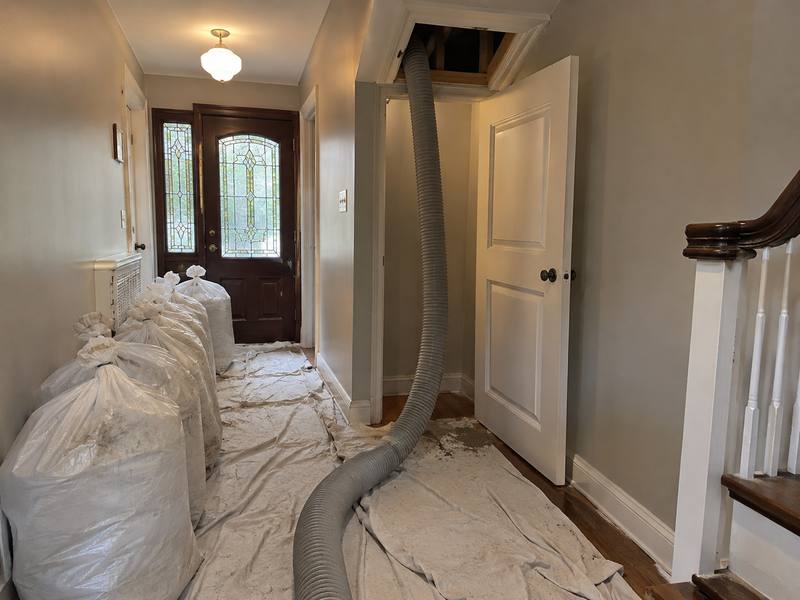
Attic Insulation Removal
We vacuum out attic insulation that is wet, mouldy or ruined by rodents, seal the bare attic floor, and tell you straight when removal isn't needed.
Learn more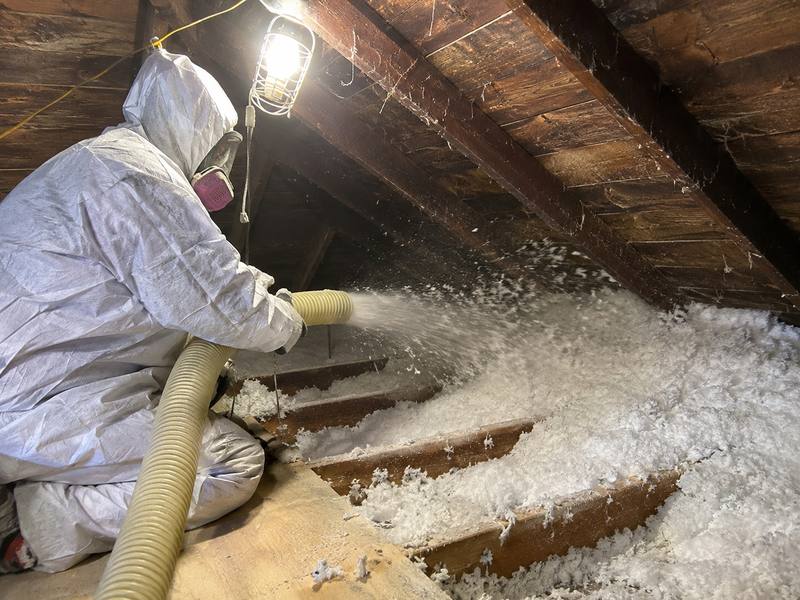
Blown-In Attic Insulation
Loose fibreglass or cellulose blown over the attic floor, after the air sealing and baffles are done.
Learn more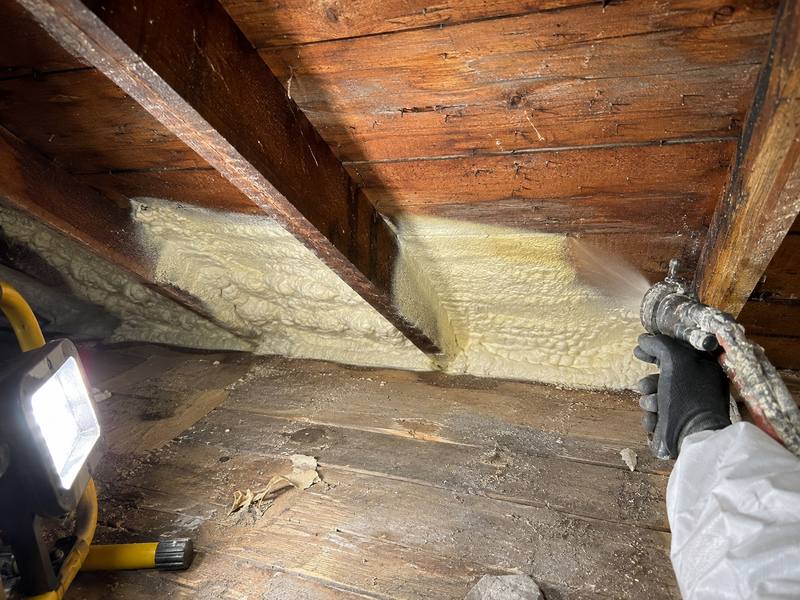
Spray Foam Insulation
We use spray foam where nothing else will do the job. When blown-in does the same work for less, we'll say so.
Learn more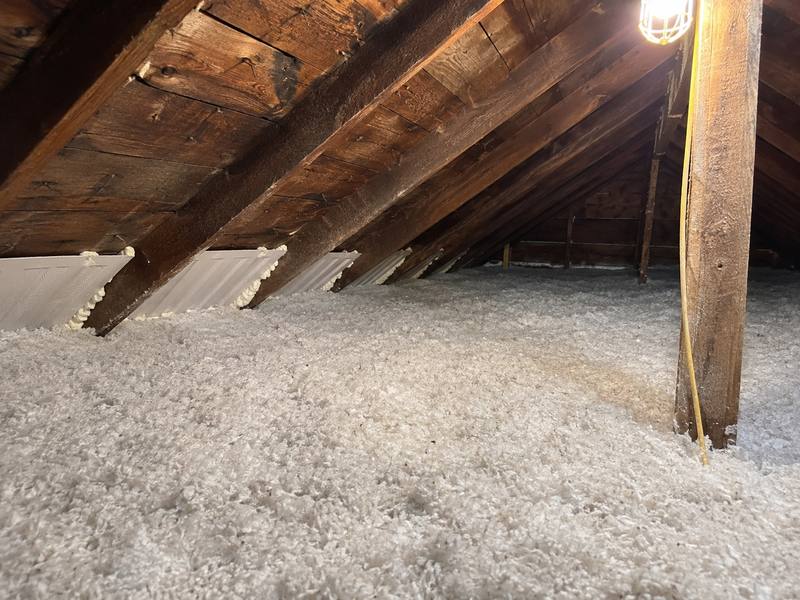
Attic Ventilation
We look at how air moves through your attic and fix whatever is stopping it from staying cold and dry in winter.
Learn more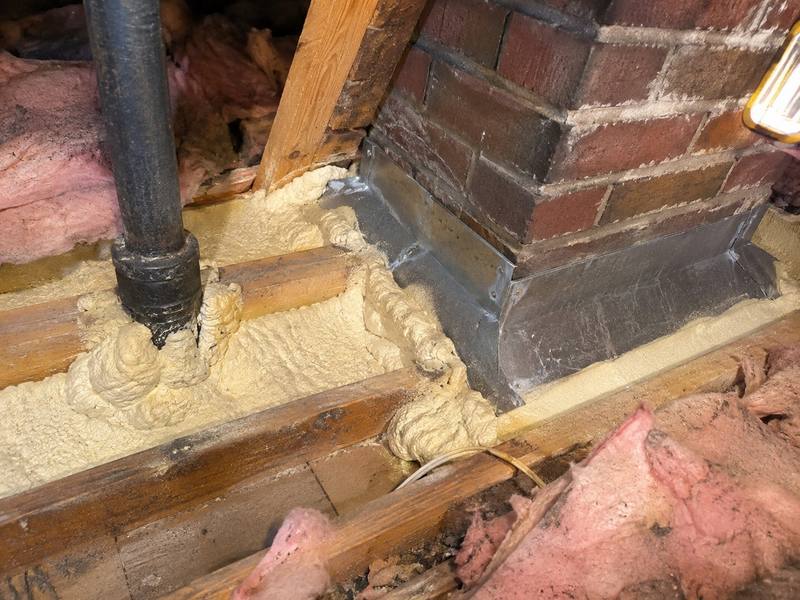
Air Sealing
We close the gaps that let warm, damp house air up into your attic, so the insulation above them can work properly.
Learn more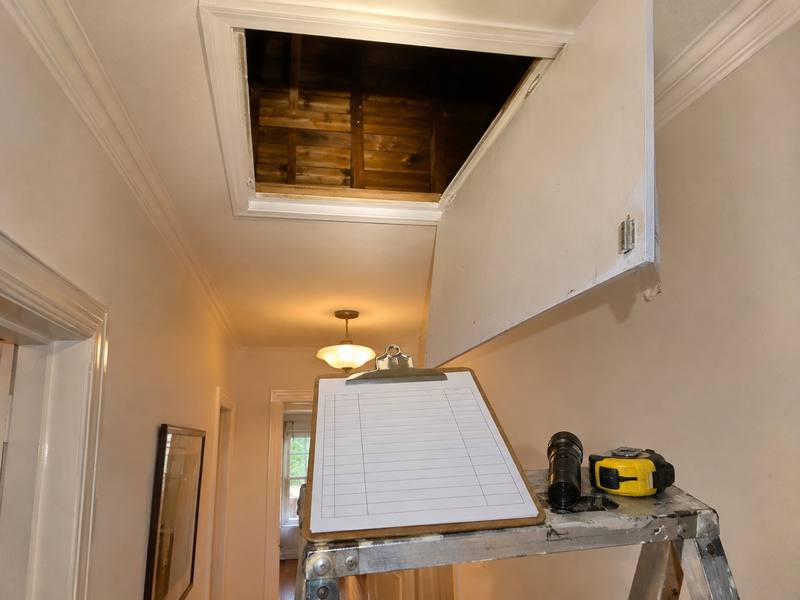
Attic Insulation Cost
What sets the price, roughly in the order it matters, and what a fair quote should spell out.
Learn more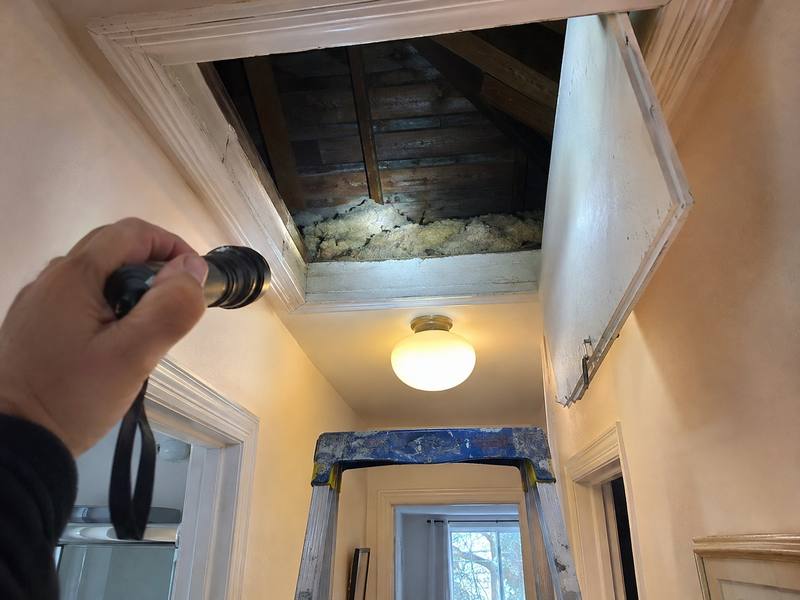
Attic Insulation Rebates
How Home Renovation Savings handles attic work, and what to confirm on the program site before anything starts.
Learn more
Next step
Book an attic insulation inspection in Toronto
Call us, or send the form with your address and whatever you've noticed upstairs. We'll look at the attic, tell you which of the four outcomes fits, and put the work in a written quote.