Top Up or Remove Old Attic Insulation? How to Tell
Usually you top up. If the old insulation is dry and clean and the air leaks under it can be sealed, new insulation goes right over it. It only needs to come out when it is wet, mouldy, soiled by rodents or turns out to be vermiculite.
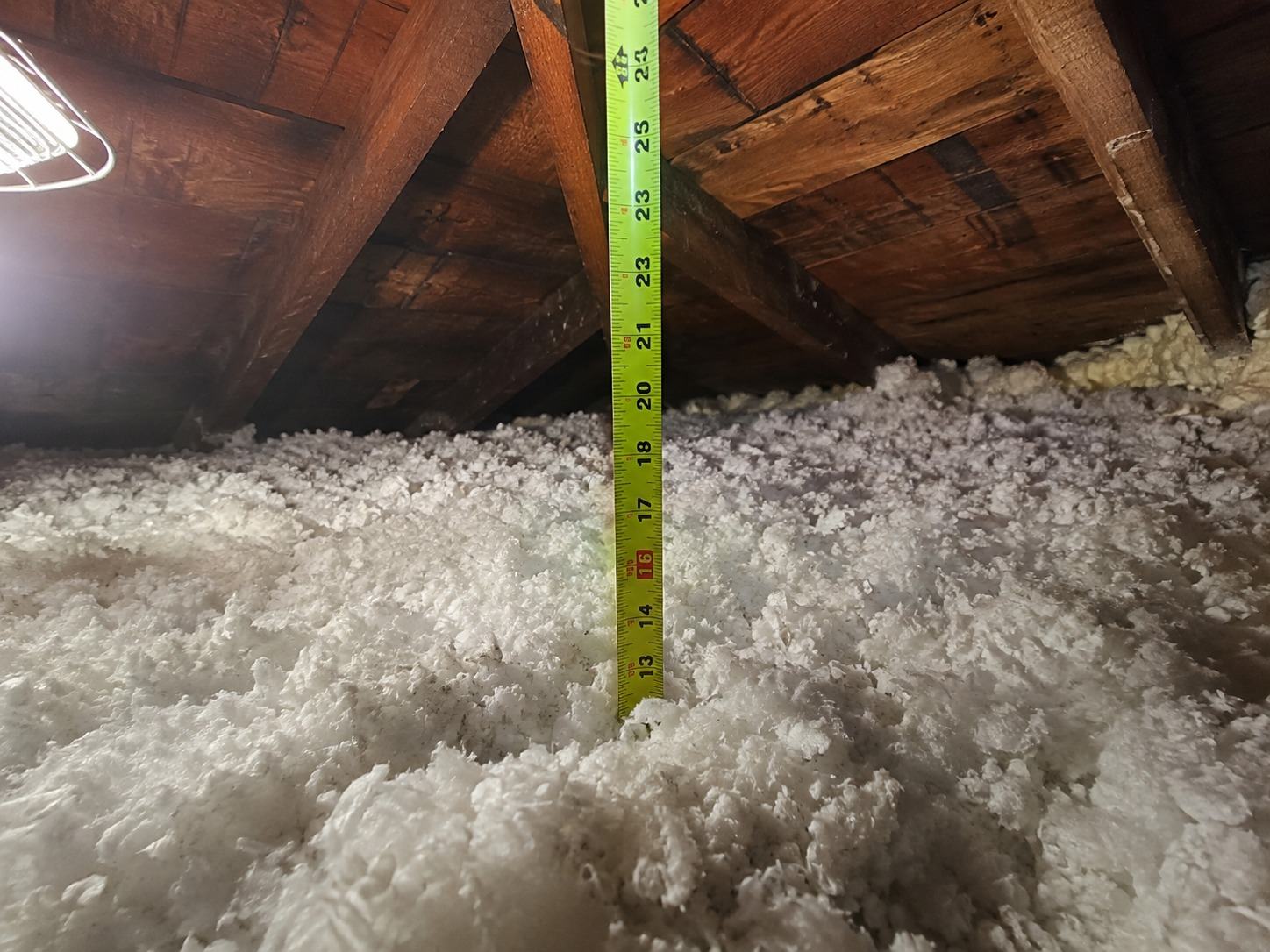
Most of the time you do not need to remove old attic insulation. If it is dry, clean and not hiding air leaks that need sealing, new insulation can go straight over it. That changes when the old layer is wet, has rodent droppings in it, is growing mould or sits on top of gaps that let warm air into the attic. In those cases attic insulation removal comes first. In older Toronto homes, the condition of what is already up there matters much more than how old it is.
When a top-up is enough
A top-up is enough when the old insulation is dry, clean and spread evenly across the attic floor. Flattened fibreglass batts and grey, settled loose fill still slow heat loss.
We do the air sealing before anything new goes in. That means foam and caulk around ceiling light boxes, plumbing stacks, the attic hatch and the top plates of interior walls, which is where warm house air gets into the attic. Those spots are easy to reach now. Once fresh insulation covers them, they are close to impossible to get at.
Then new loose fill goes over the old layer. For a top-up we usually use blown-in insulation, because the hose can reach the low corners by the eaves where batts are hard to lay properly. The new material fills the dips and bare patches in the old layer so the depth comes out even. Before we start blowing, we staple depth markers to the ceiling joists so anyone can check the depth later.
When old insulation should come out first
Old attic insulation has to come out first when it is causing harm or covering a problem that new material would bury. When that happens, we take it out with an industrial vacuum, running the hose out through a window or the hatch so the debris goes straight into bags outside. Any of the signs below means removal instead of a top-up.
It is wet or water-stained
Wet insulation needs to come out. Damp fibres stop insulating, and they hold moisture against the ceiling plaster and the roof deck. Stains usually trace back to a roof leak, worn flashing around a chimney or ice building up at the eaves. The leak has to be fixed before anything new goes in, or the fresh layer will get soaked the same way.
Rodents have nested or left droppings
Insulation with rodent droppings, urine stains or nests in it should come out. The waste stays in the fibres and the smell works its way down into the house. Mice and squirrels also tunnel through loose fill, and the bare channels they leave let heat escape. A pest-control company should deal with how they got in, often the eaves or a roof vent, before new insulation goes in.
Mould is growing on it
Mould on the insulation, or on the roof sheathing above it, means moist house air has been getting into the attic for a long time. The mouldy insulation should come out, and whatever caused it needs fixing. Usually that is air leaking up from below or poor airflow under the roof. We do not treat mould ourselves. If the roof deck needs a mould specialist before any insulation work, we will tell you so.
It hides air leaks that need sealing
Sometimes the insulation is in fair shape but sits on top of large leaks that you can't reach any other way. An older house may have open wall cavities at the top plates and wide gaps around a brick chimney. When those leaks are spread out under a deep, matted layer, the only way to seal them properly is to pull the insulation back or take it out.
If you find vermiculite
If you find vermiculite, stop and leave it alone. It is a loose, grey-brown to gold granular fill. Some of what was sold in past decades contains asbestos.
Don't walk through it, sweep it or top up over it until you have advice. Blowing new insulation on top stirs up the old fill and makes any later removal bigger and harder. If we find vermiculite, we stop, leave it undisturbed, and recommend you have it tested by a qualified lab or abatement firm before any work goes ahead. Our page on what to do about vermiculite attic insulation explains Health Canada's advice and who removes it.
A ten-minute check from the attic hatch
With a good flashlight you can see most of what matters from the hatch, without climbing into the attic. Stay on the ladder and keep your weight off the insulation, because the ceiling between the joists will not hold you.
- Depth against the ceiling joists: if you can see the tops of the joists, the layer is thin. If they are buried and the surface looks level, the depth is probably fair.
- Colour: dark grey or black streaks on fibreglass show where air has been leaking up through it, since the fibres catch dust from the moving air. Those streaks mark the spots that need sealing.
- Damp patches: check the underside of the roof boards for stains, dark rings or, in winter, frost. Sweep the light across the insulation and look for clumps or crusty areas.
- Droppings and nests: small dark pellets, shredded paper or tunnels through loose fill mean rodents have been living up there.
- Daylight at the eaves: a little light coming through the soffit vents is normal and means air can move. No light at all can mean insulation is packed against the vents. Light showing through gaps anywhere else points to holes animals can get in through.
Keep, top up or remove
Keep it if it is dry and clean, covers the joists and has no streaks or droppings. Top it up if it is dry and clean but thin or patchy, and get the air sealing done before the new layer goes on. Remove it if it is wet, mouldy, full of droppings or matted over big leaks. If it looks like vermiculite, stop and get it tested first.
How deep a topped-up attic should be
A topped-up attic should be as deep as the space allows without blocking airflow at the eaves. For new houses in Zone 1, SB-12 sets a minimum nominal R-60 for a ceiling with attic space in most compliance packages, and R-50 in the rest.
That standard was written for new construction. An existing attic doesn't have to meet it, and older Toronto roofs often have very little height near the eaves. We fit baffles at the soffits so the new fill can't choke the vents, then build up depth across the open middle of the attic where there is room for it.
Our attic insulation work starts with that look: what is up there, its condition and how much the roof can hold. After that we quote whichever of the top-up, the removal or the sealing will make a difference to how the house feels in winter.
Related questions
No, not if the old insulation is dry and clean and the air leaks under it can be sealed first. It still slows heat loss, so it stays and the new material goes on top. Removal makes sense when it is wet, mouldy, full of rodent droppings or turns out to be vermiculite.
Yes, as long as the old layer is dry and clean. Blowing loose fill over fibreglass batts is a common and sound way to add depth. Seal the ceiling gaps before the top-up, because once it is done they are buried.
Your attic insulation is bad if it is wet, stained, mouldy, soiled by rodents or so thin that the ceiling joists show through. Dark streaks on fibreglass mean air is leaking up from the rooms below. You can spot most of this from the hatch with a flashlight, without stepping into the attic.
Services
How we can help in Toronto
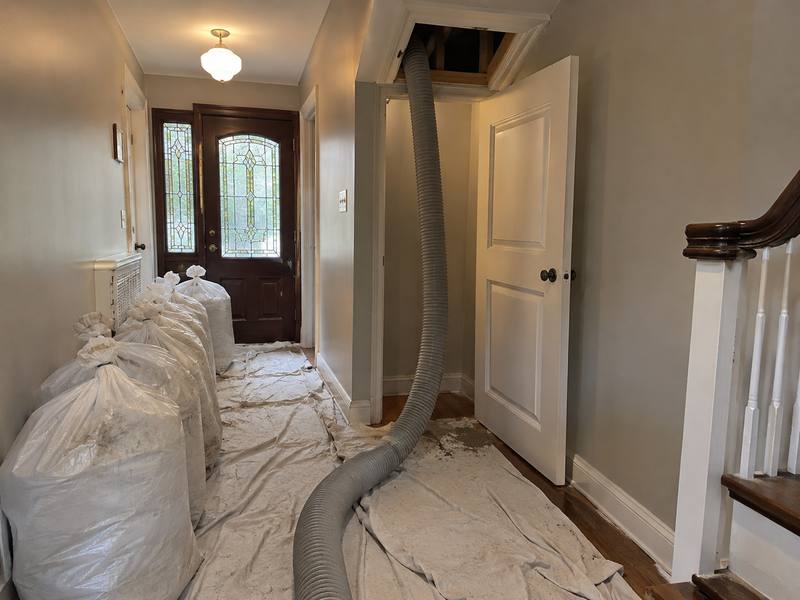
Attic Insulation Removal
We vacuum out attic insulation that is wet, mouldy or ruined by rodents, seal the bare attic floor, and tell you straight when removal isn't needed.
Learn more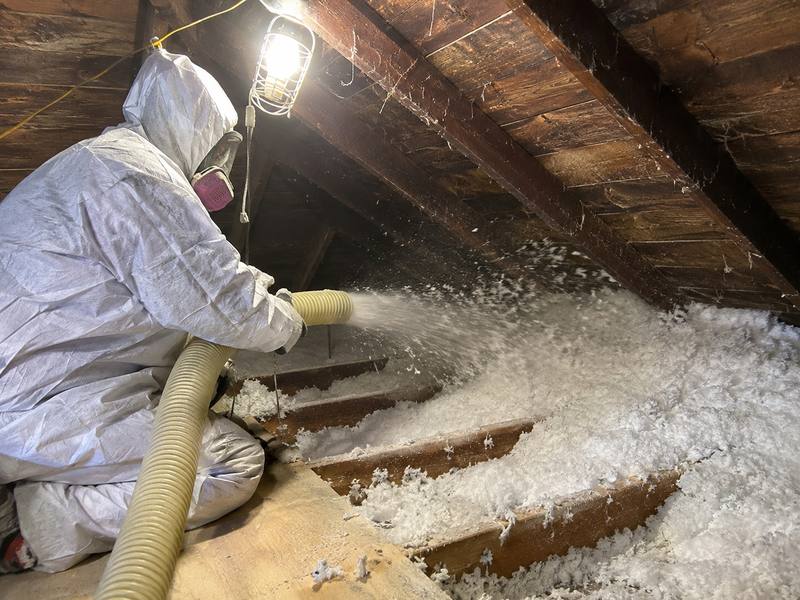
Blown-In Attic Insulation
Loose fibreglass or cellulose blown over the attic floor, after the air sealing and baffles are done.
Learn more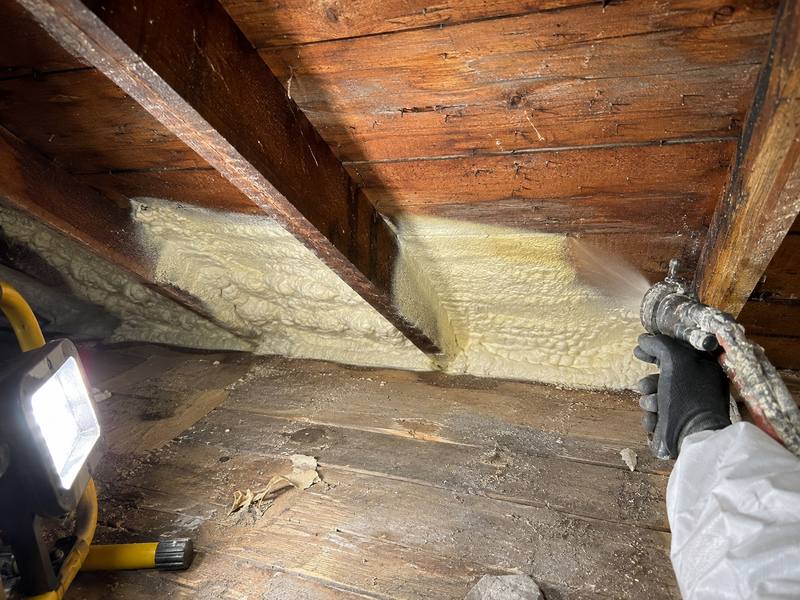
Spray Foam Insulation
We use spray foam where nothing else will do the job. When blown-in does the same work for less, we'll say so.
Learn more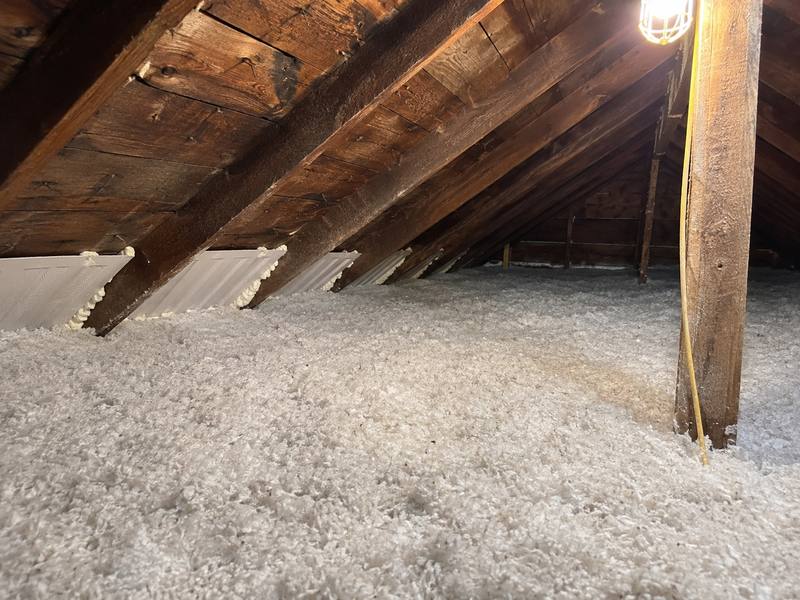
Attic Ventilation
We look at how air moves through your attic and fix whatever is stopping it from staying cold and dry in winter.
Learn more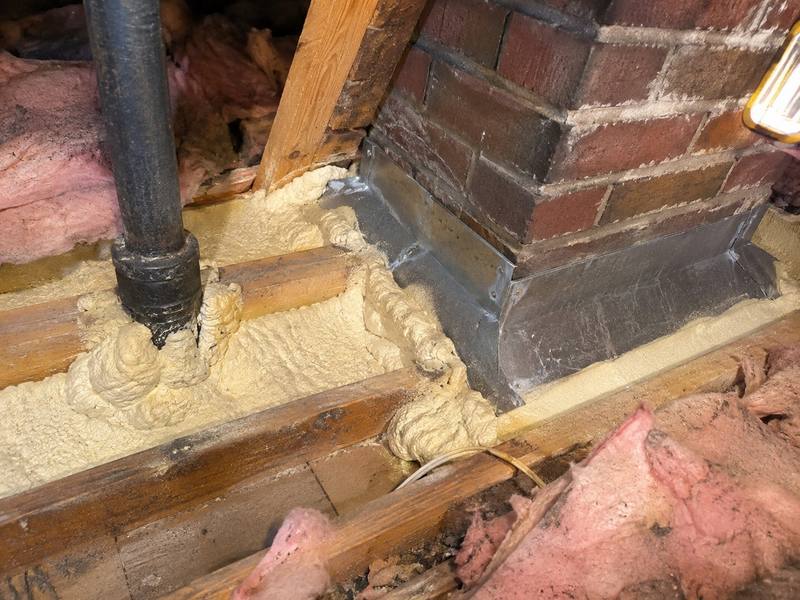
Air Sealing
We close the gaps that let warm, damp house air up into your attic, so the insulation above them can work properly.
Learn more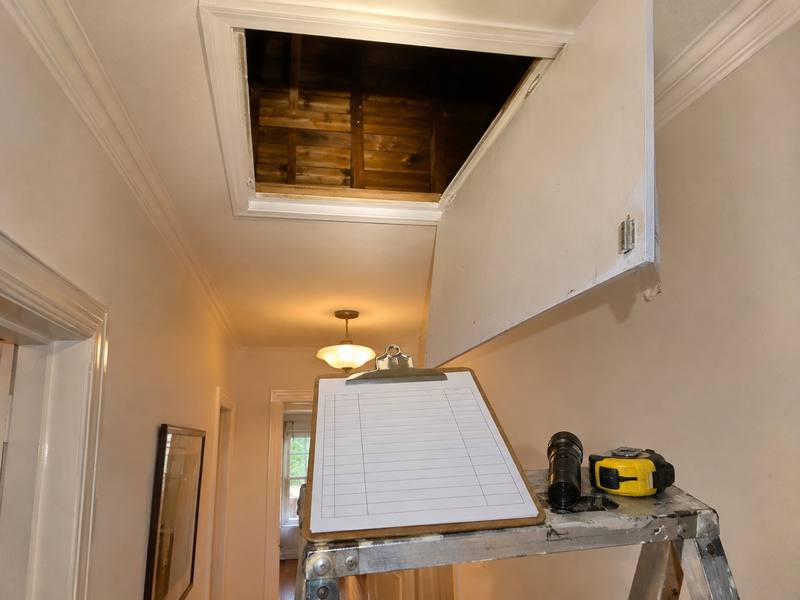
Attic Insulation Cost
What sets the price, roughly in the order it matters, and what a fair quote should spell out.
Learn more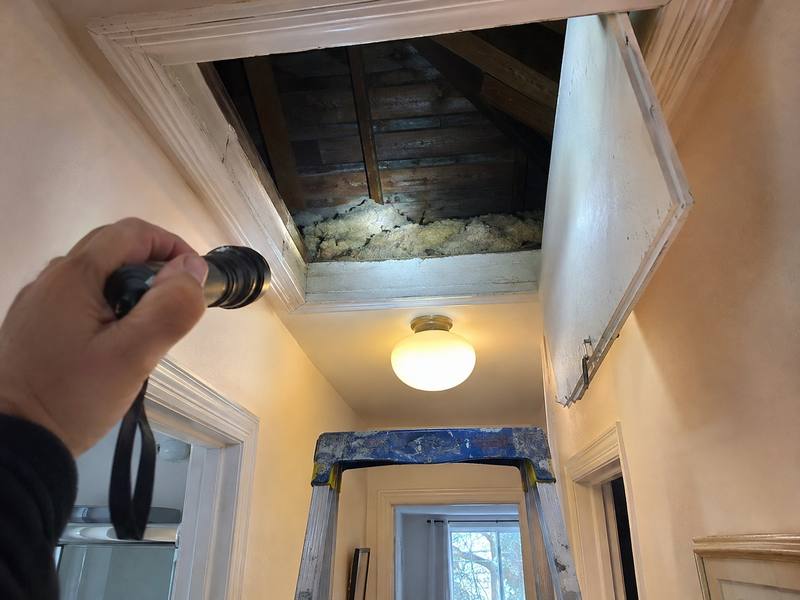
Attic Insulation Rebates
How Home Renovation Savings handles attic work, and what to confirm on the program site before anything starts.
Learn more
Next step
Book an attic insulation inspection in Toronto
Call us, or send the form with your address and whatever you've noticed upstairs. We'll look at the attic, tell you which of the four outcomes fits, and put the work in a written quote.